You are reading the documentation of OpenCTI 7.260811 LTS · 7.260811.0-lts.1, supported until 2027-09.Latest is 7.261119.0 →
Configure
OpenCTI · Configure: every page of this part of the documentation.
For
 How-to guideCustomize entity typesSet mandatory fields, default values, custom fields, confidence scales, references, hidden types, statuses and templates for each OpenCTI entity type.OpenCTI13 min
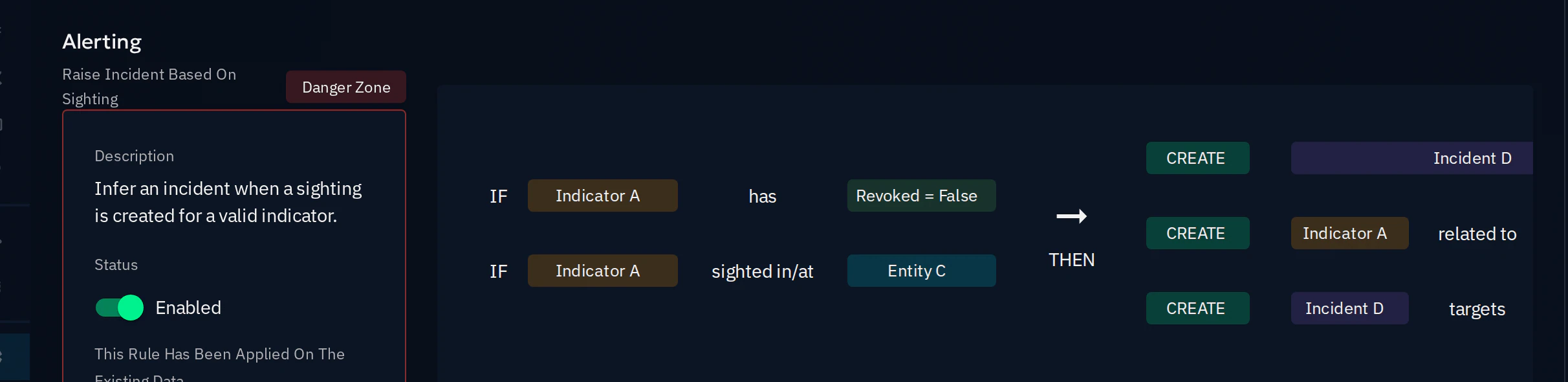
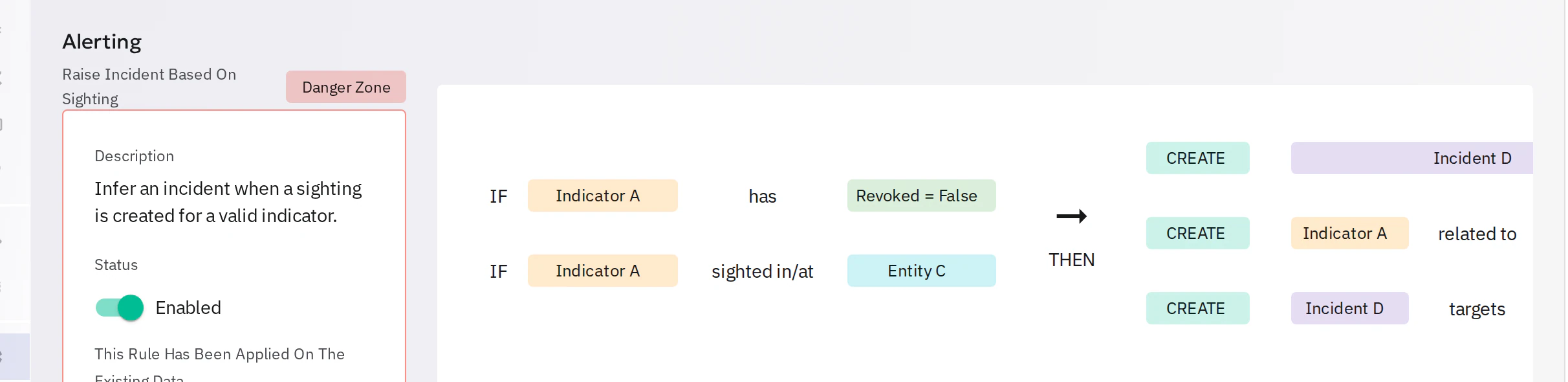 How-to guideTurn inference rules on or offTurn OpenCTI inference rules on or off, know what each rule creates, and weigh the effect of a rule on your data before you enable it.OpenCTI6 minHow-to guideAge indicators with decay rulesCreate OpenCTI decay rules that lower indicator scores over time and revoke stale indicators, and choose which indicators each rule applies to.OpenCTI+1 pages
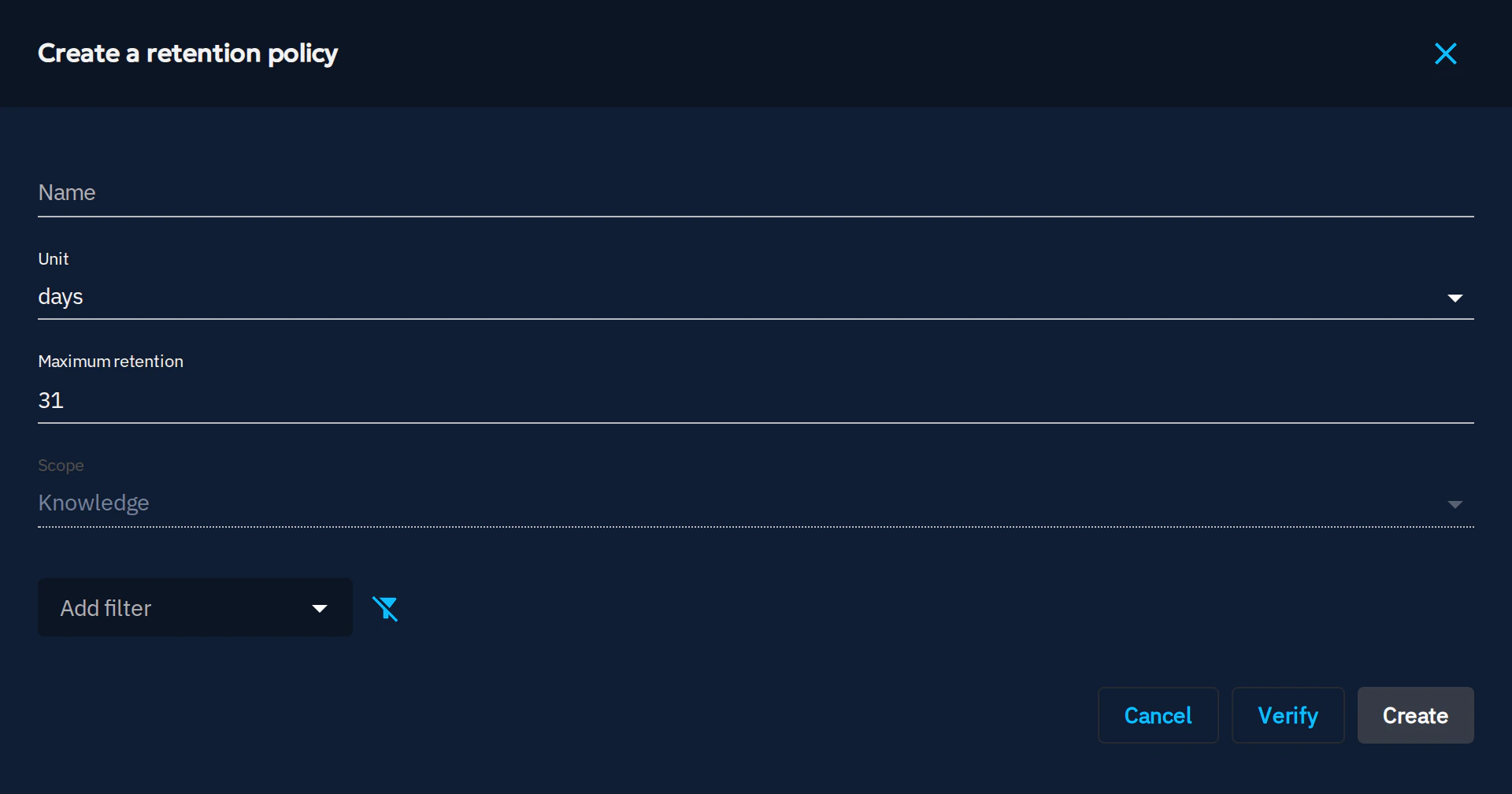
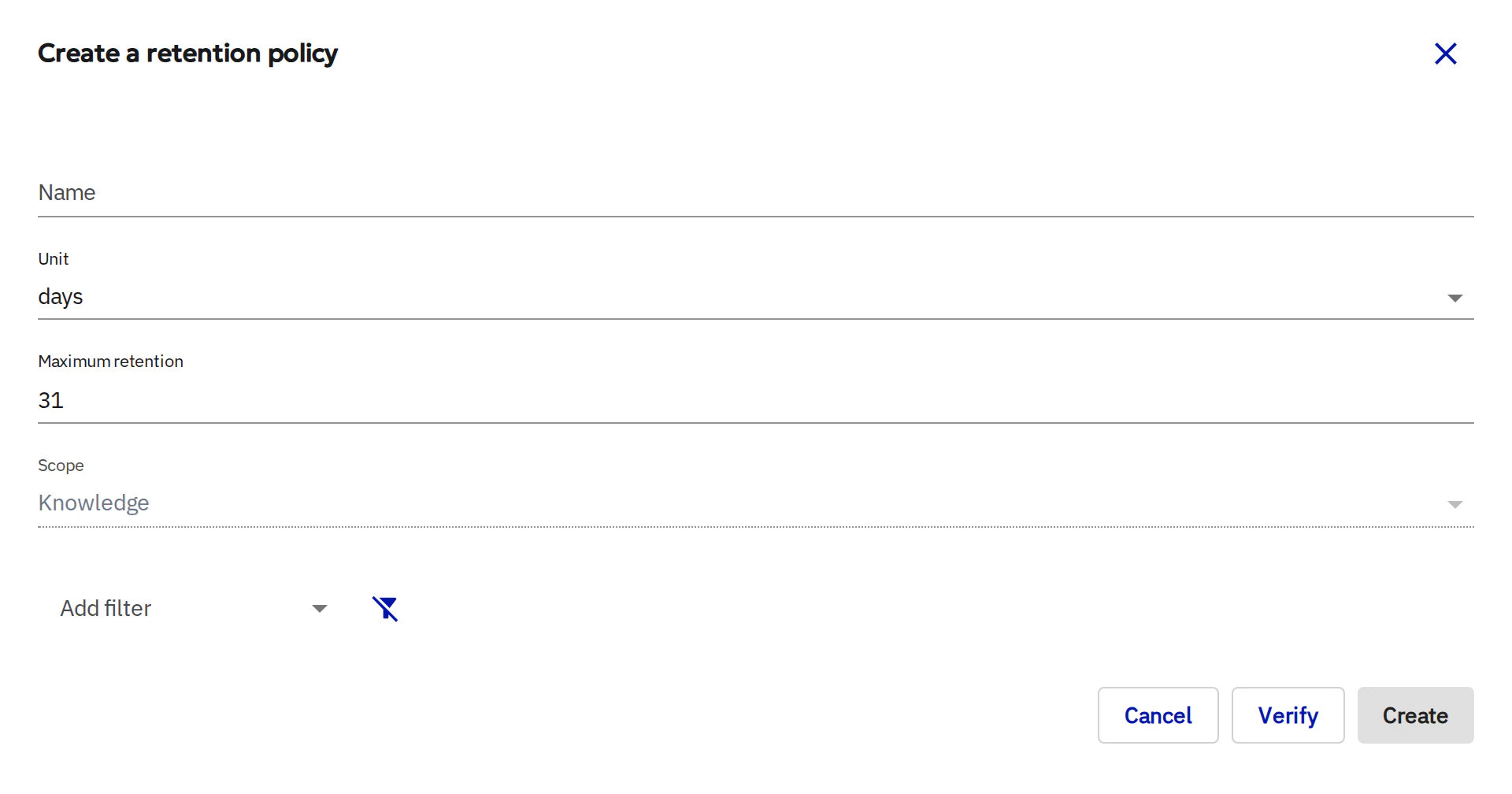 How-to guideDelete old data automaticallyDelete old OpenCTI knowledge, import files, workbenches and logs automatically with retention policies, and check what a policy will delete first.OpenCTI7 min
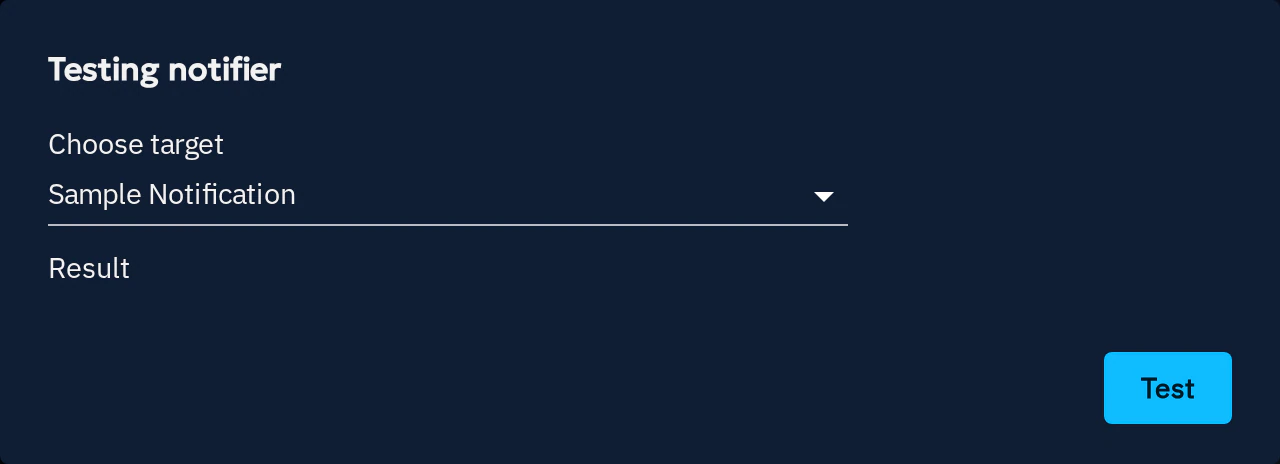
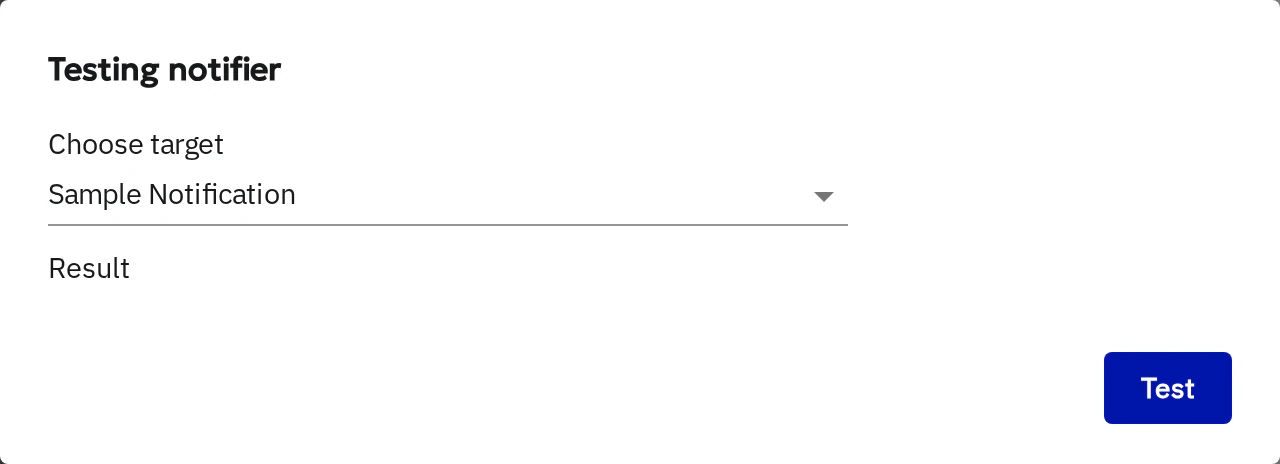 How-to guideSend notifications by email or webhookCreate OpenCTI notifiers that send notifications by email or to a webhook, write their EJS templates, test them and choose who can use them.OpenCTI+1 pages
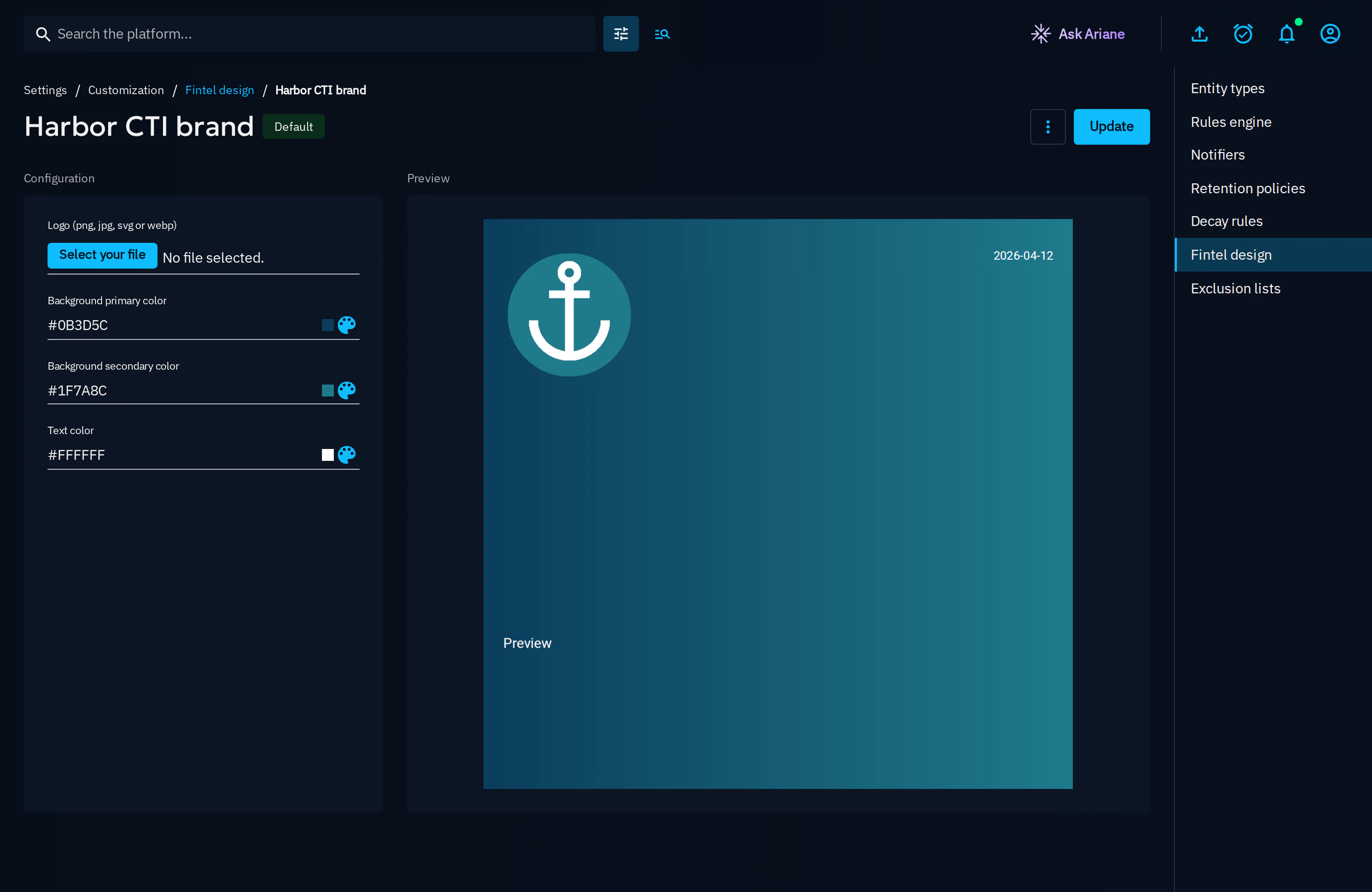
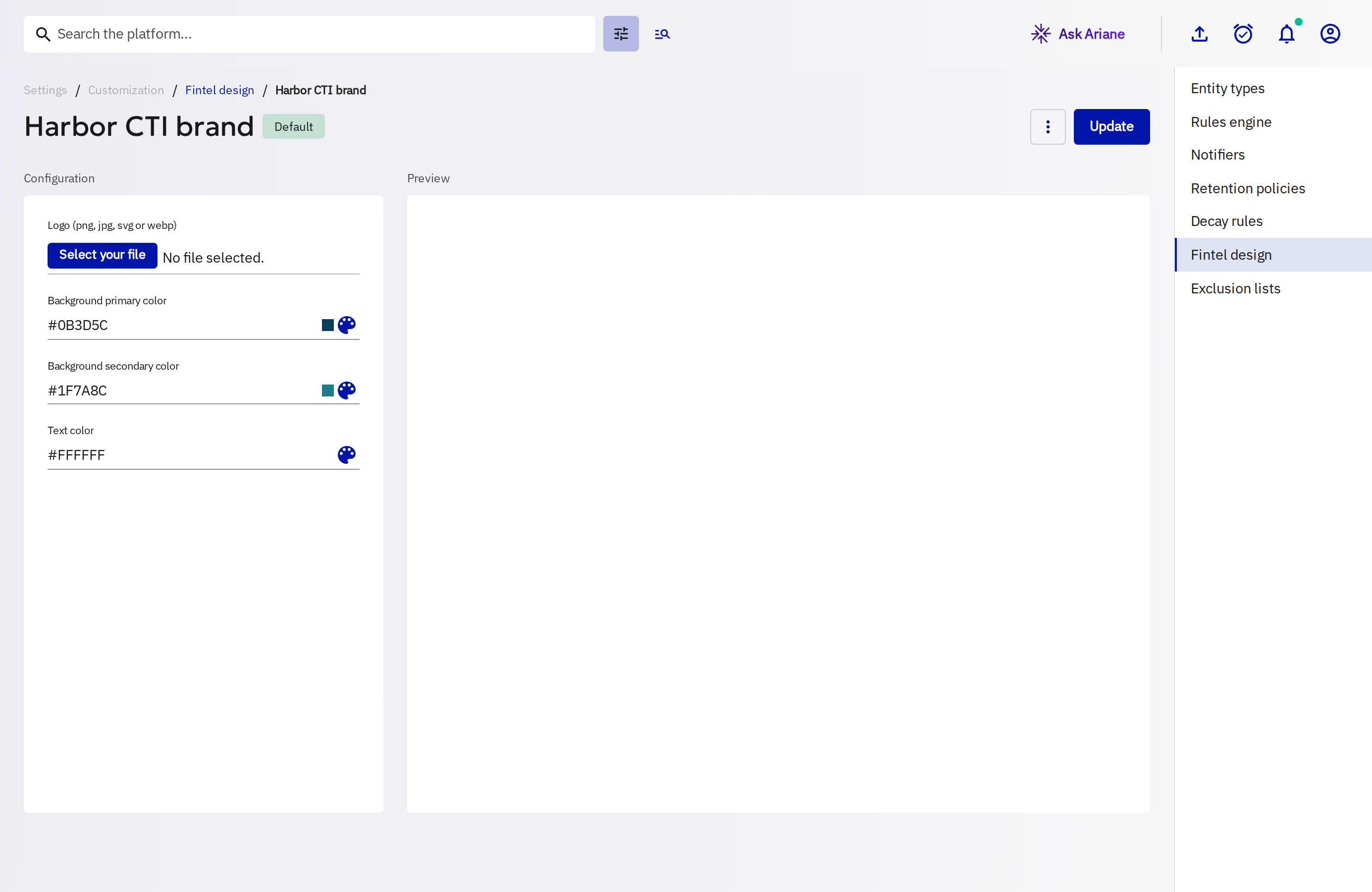 How-to guideBrand your PDF reportsGive the PDF reports your team sends to customers and partners your own logo and colors with a fintel design, make it the default, and apply it when you export.OpenCTI6 min
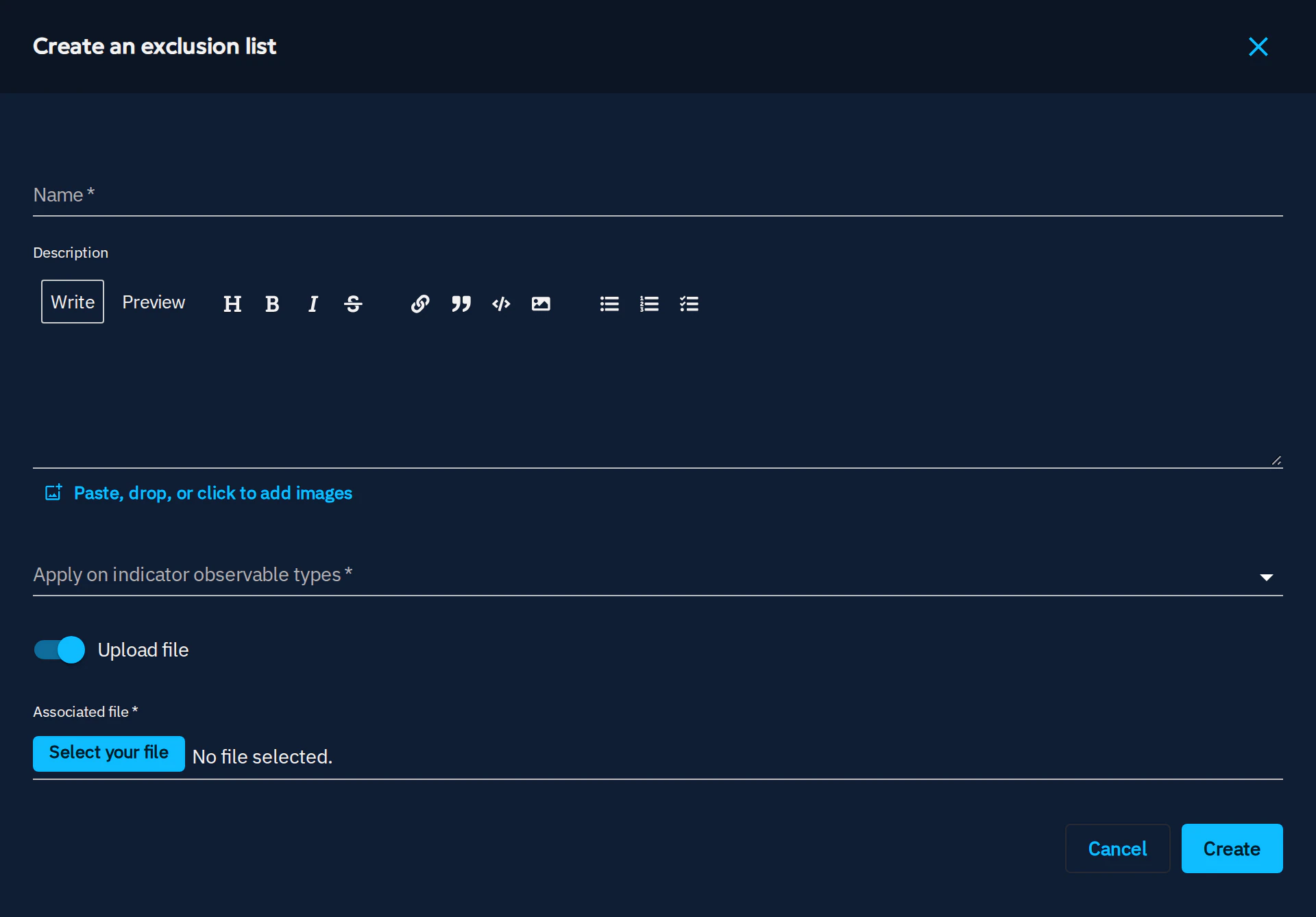
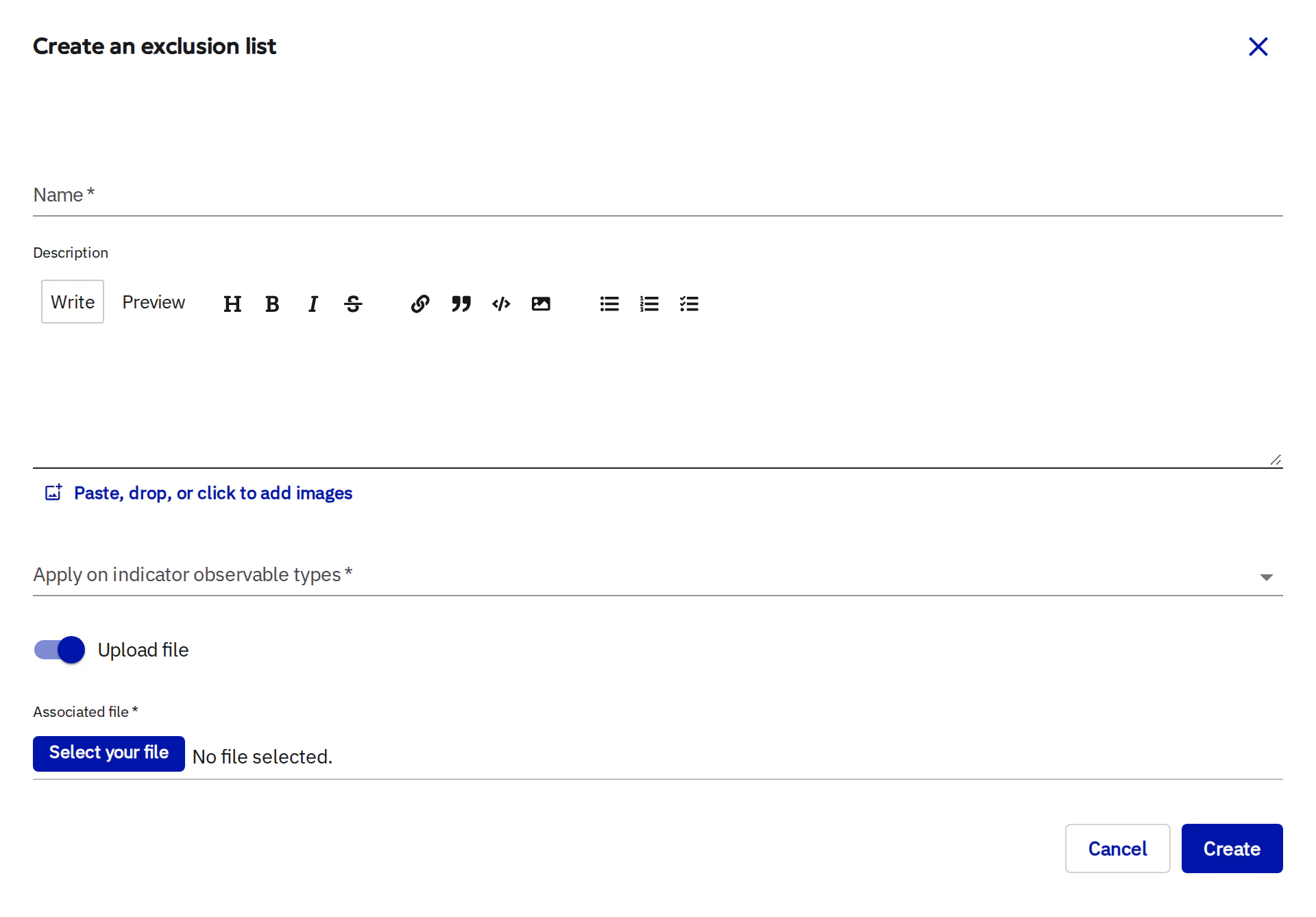 How-to guideKeep benign values out of indicatorsStop OpenCTI from creating indicators for benign values, such as your own IP ranges or popular domains, with exclusion lists that apply to every source.OpenCTI5 min
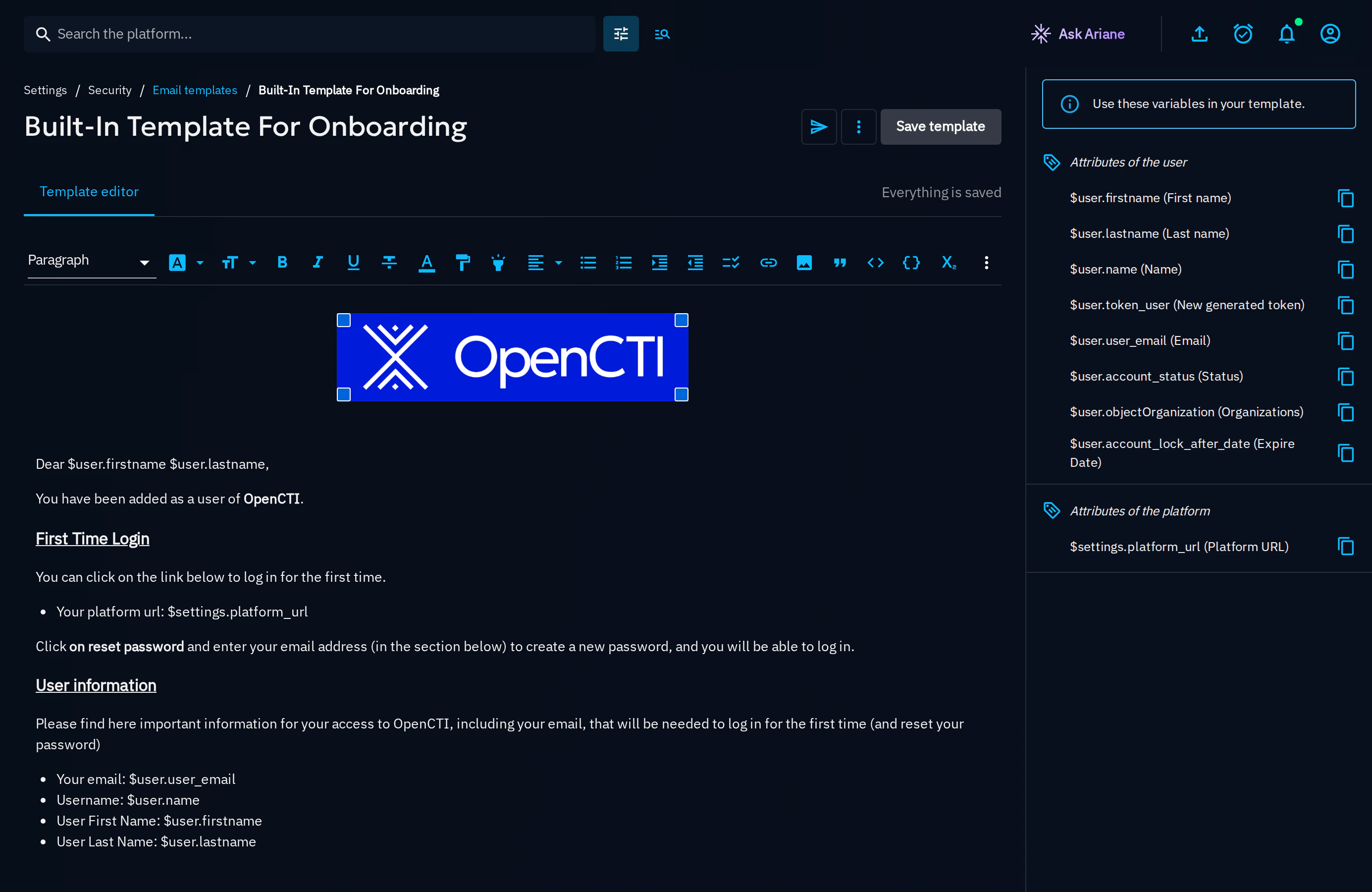
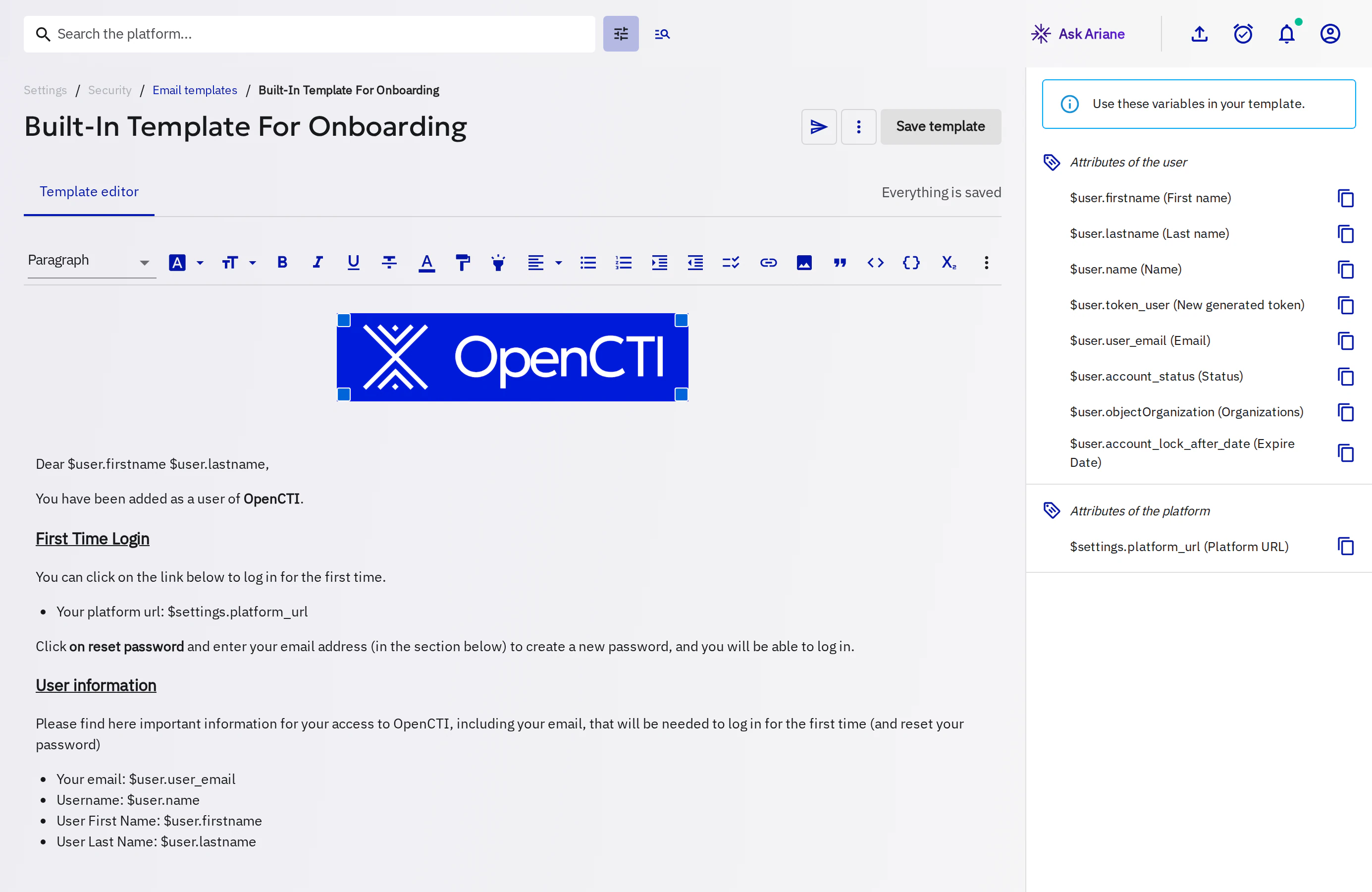 How-to guideCustomize the emails OpenCTI sendsWrite email templates for administrative messages to OpenCTI users, such as onboarding or maintenance notices, and send them on creation, in bulk or one by one.OpenCTI6 min
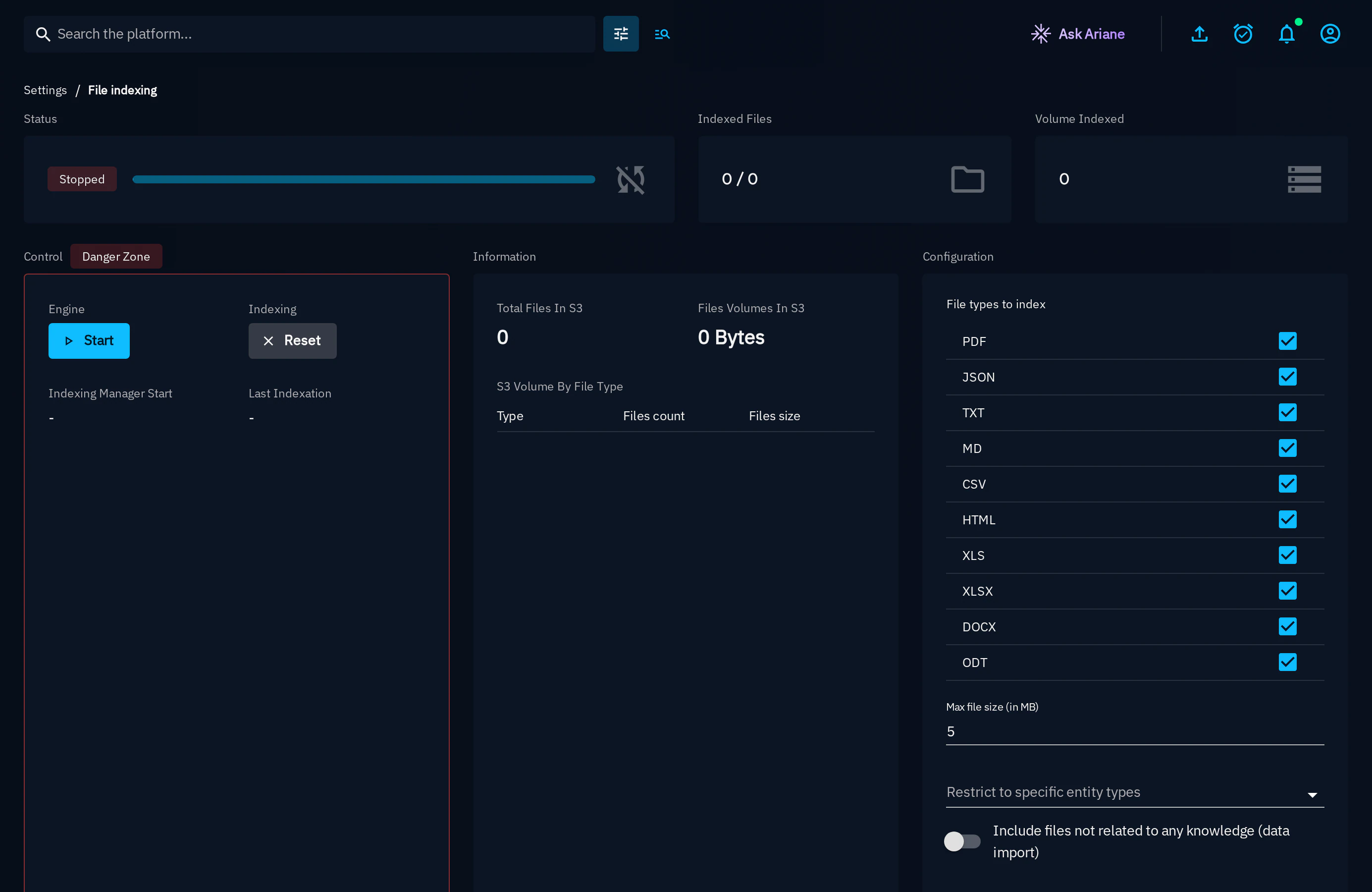
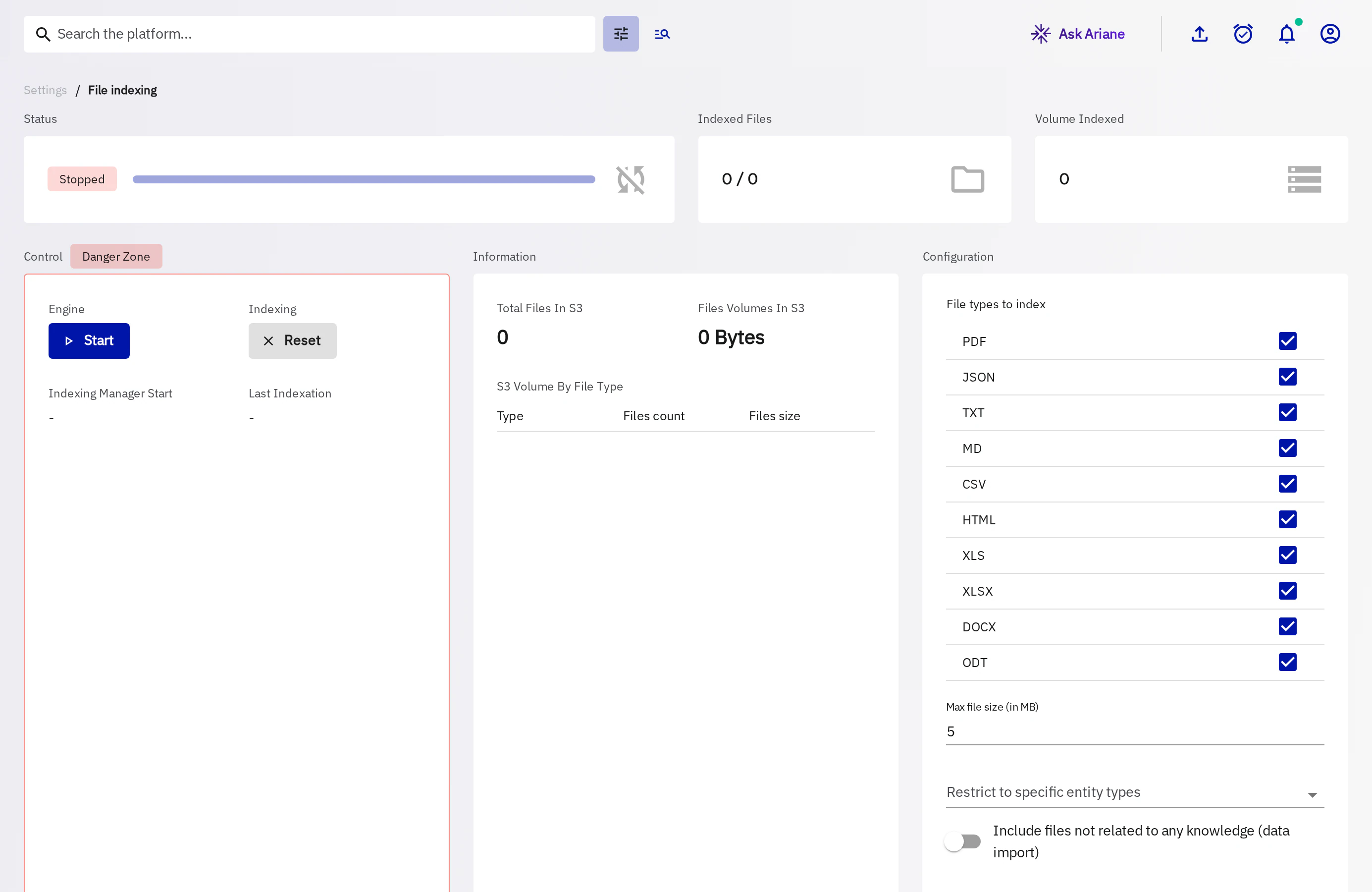 How-to guideSearch inside filesIndex the text of the files stored in OpenCTI so that users can search inside them, and choose which files are indexed, up to what size.OpenCTI5 minReferenceRepair data after an upgradeThe background operations OpenCTI runs to repair data consistency after an upgrade, how they are scheduled, and how to estimate, run or stop them.OpenCTI5 minConceptAudit who did whatWhat OpenCTI activity records about who did what, where and when, the difference between knowledge history, audit and extended activity, and where each one goes.OpenCTI+3 pages
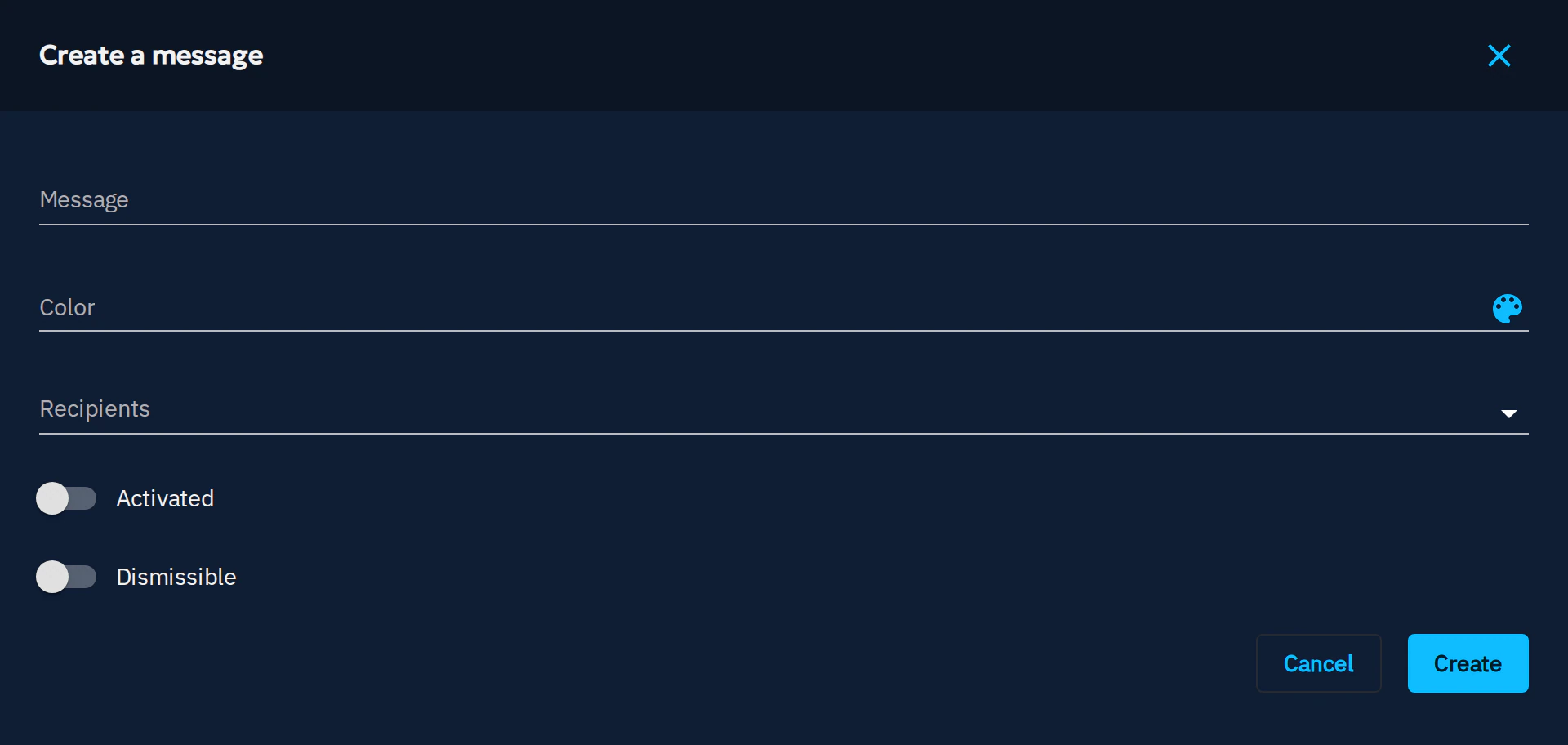
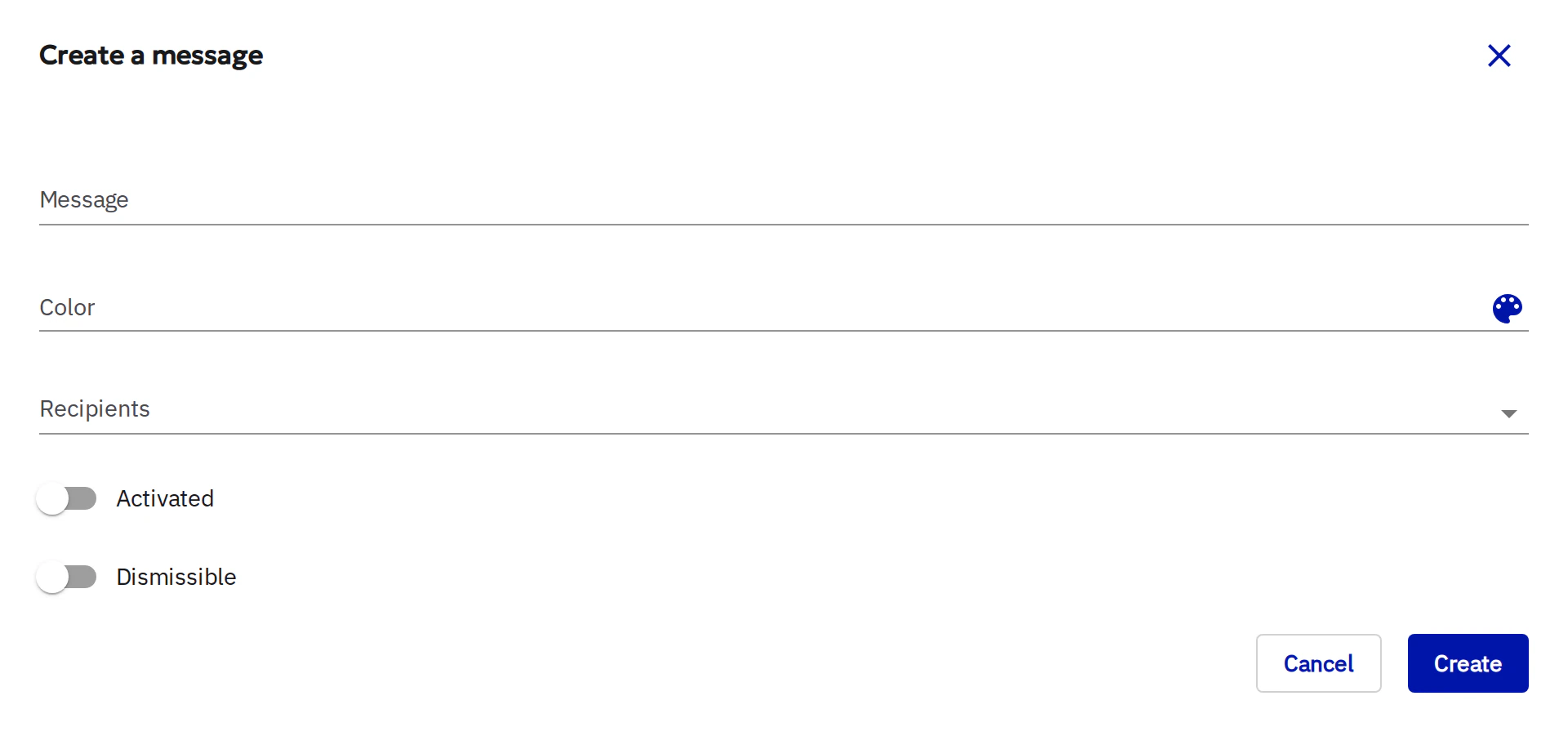 How-to guideSet the platform parametersSet the OpenCTI platform title, appearance, announcements, map files, themes and custom labels, and check its version, license, dependencies and managers.OpenCTI13 min
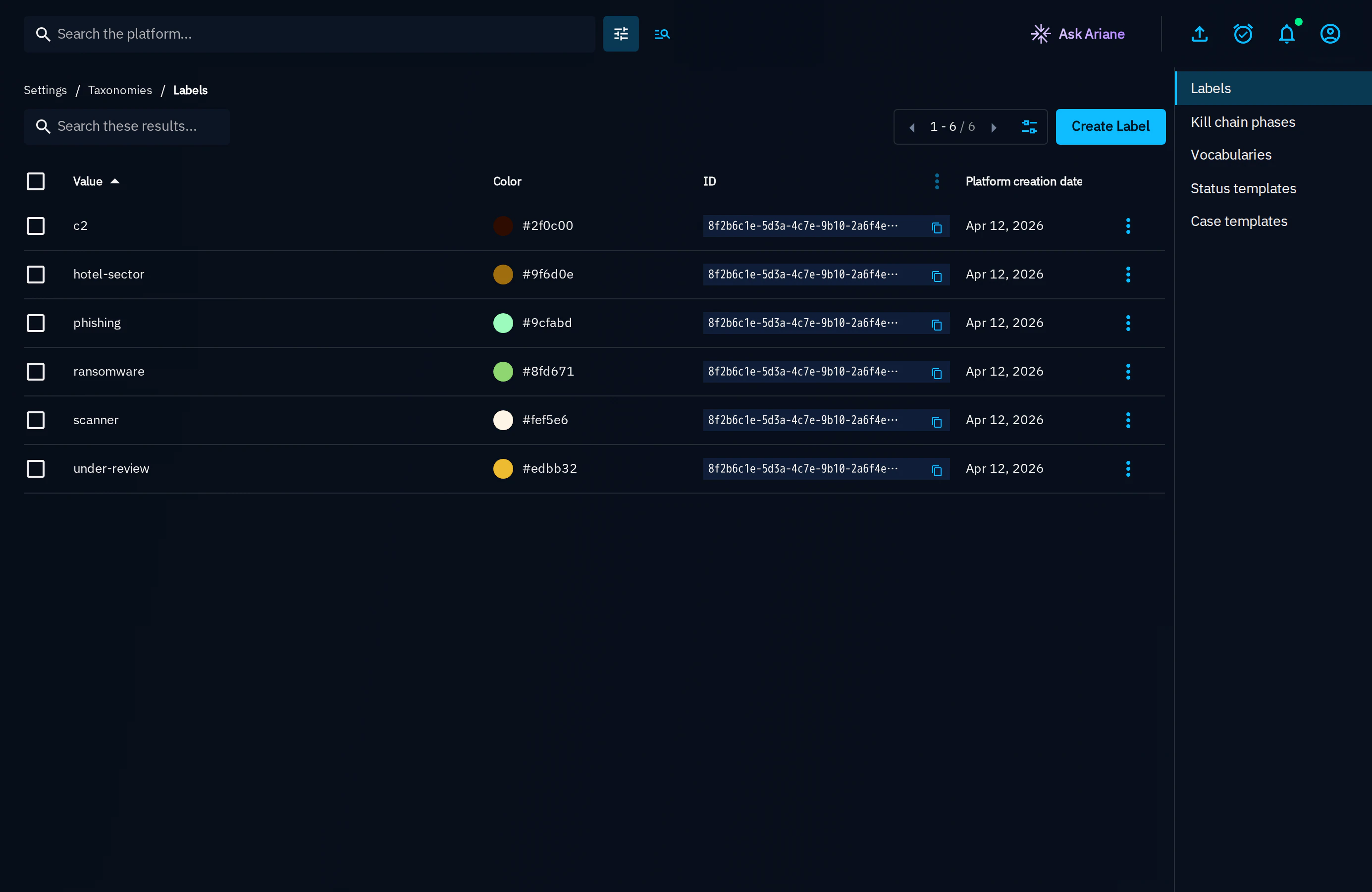
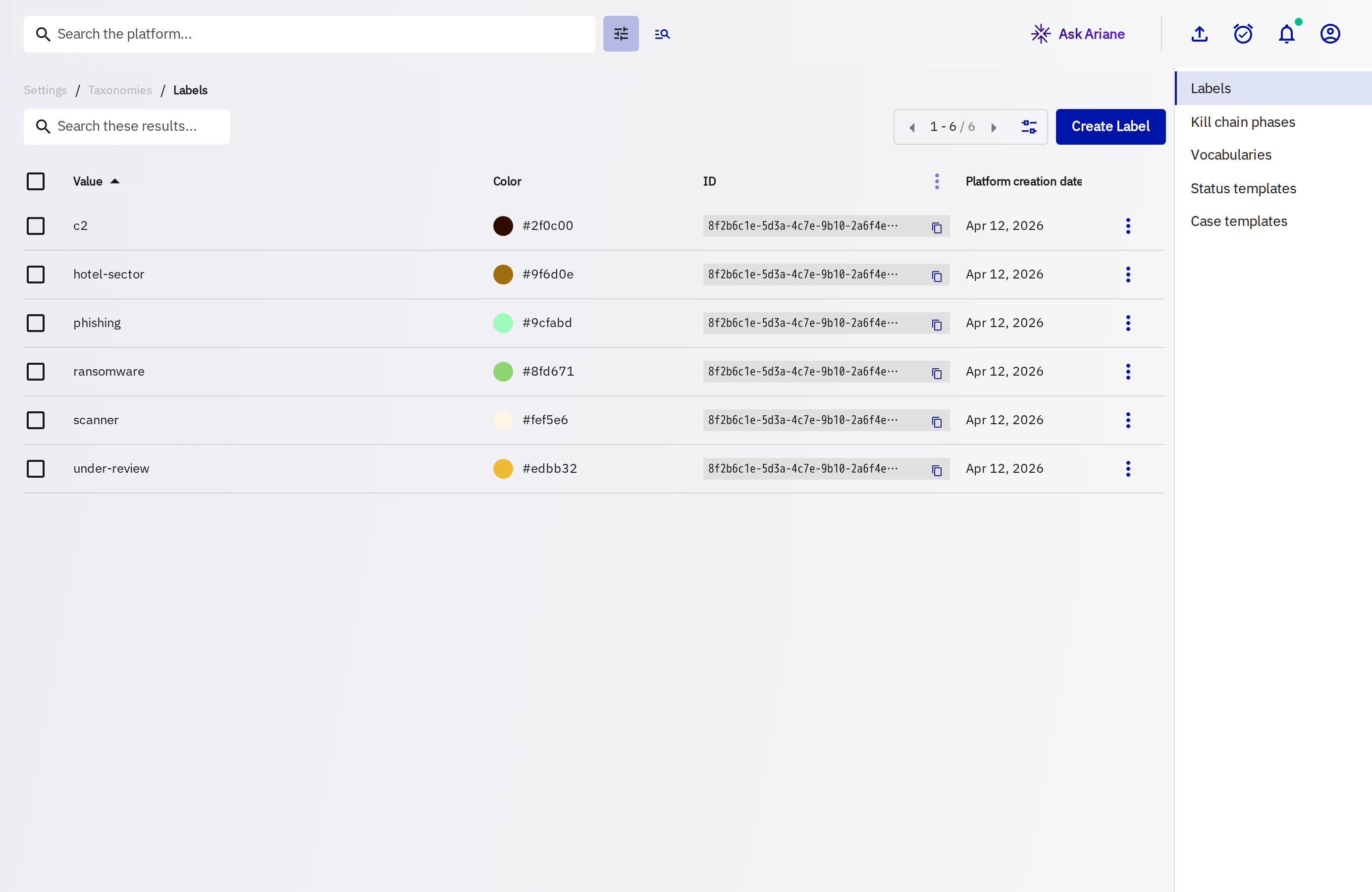 How-to guideManage labels, vocabularies and templatesManage the labels, kill chain phases, vocabularies, status templates, case templates and custom fields that classify OpenCTI data, so every team classifies the same way.OpenCTI13 minHow-to guideConnect to XTM HubConnect OpenCTI to the XTM Hub to deploy its content in one click, then follow, repair or remove the connection, and know who may deploy what.OpenCTI+2 pagesReferenceUsage telemetry and privacyThe anonymous usage data OpenCTI sends to Filigran, how and how often it is sent, what is never collected, and how to stop it.OpenCTI3 min
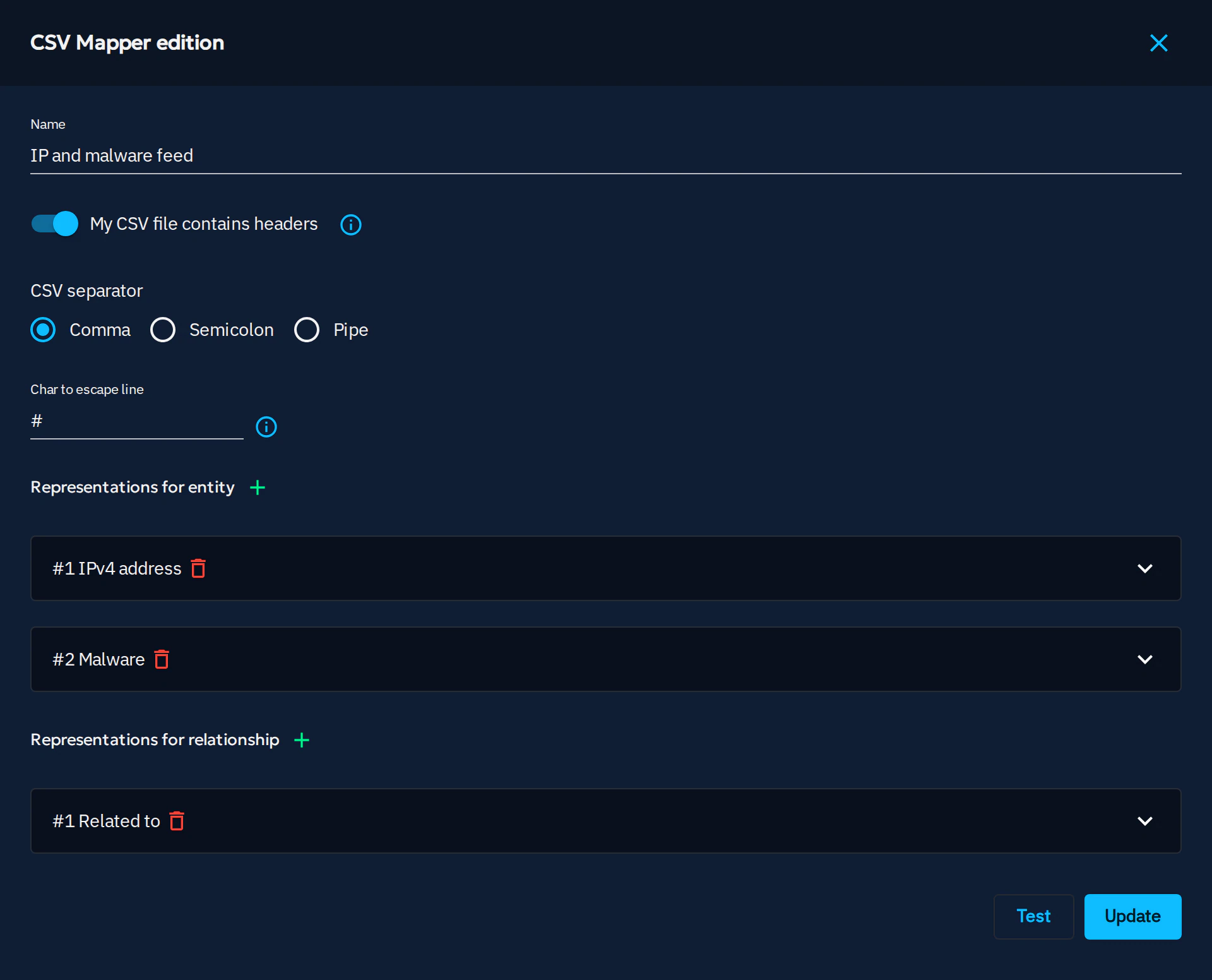
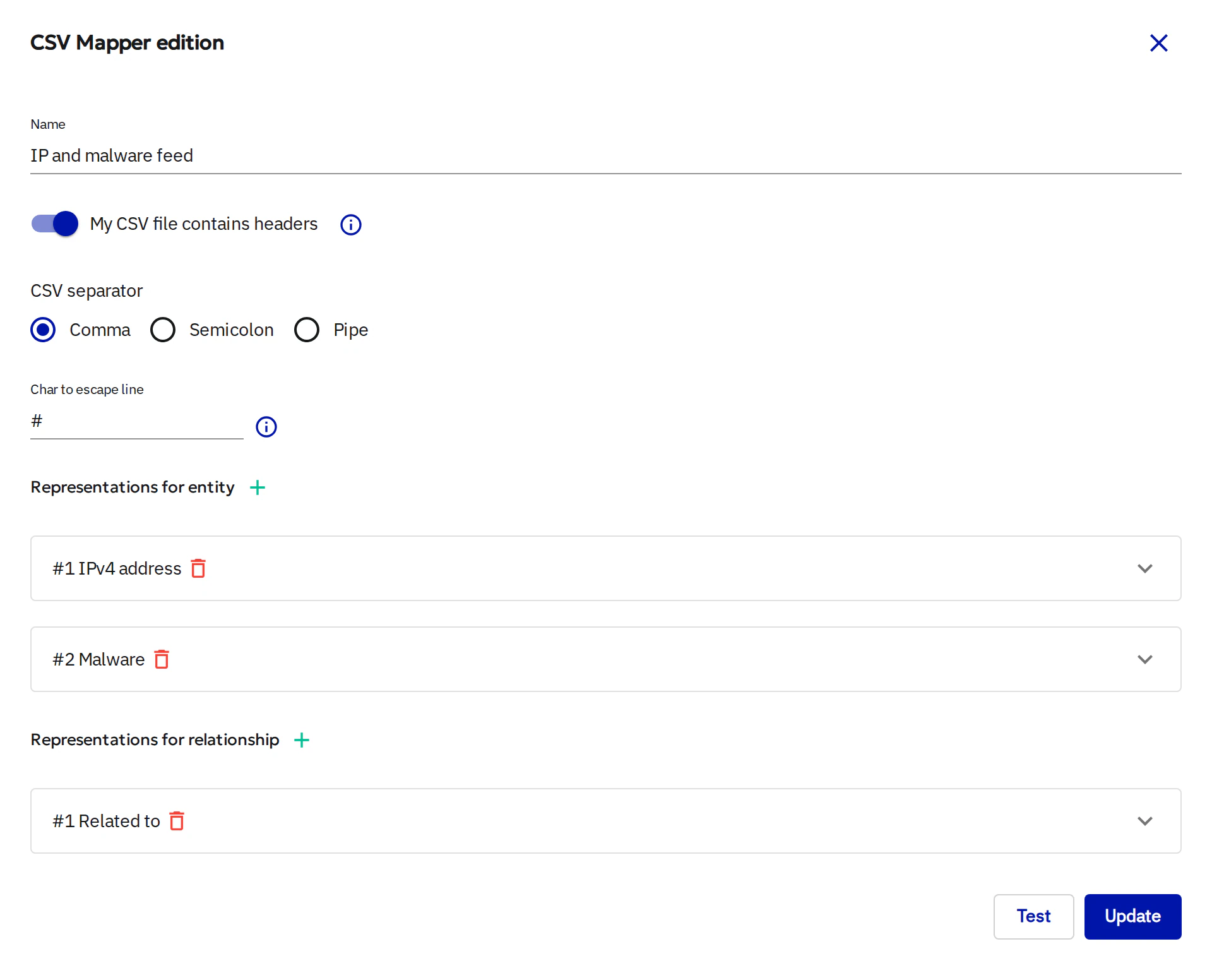 How-to guideMap CSV files to knowledgeBuild an OpenCTI CSV mapper that turns the rows of a partner's CSV file into linked entities and relationships, test it on a sample, and use it for file imports and CSV feeds.OpenCTI9 minHow-to guideMap JSON APIs to knowledgeBuild an OpenCTI JSON mapper that turns the response of a partner's API into linked entities and relationships with JSON paths and identifiers, then use it in a JSON feed.OpenCTI6 min